
“The essence of traditional masculinity is the delusion of invulnerability.” – Terrence Real
We live in a world that is shaped by difference. People from different cultures, religions, languages, and traditions interact daily at work, in schools, neighborhoods, online spaces, and within families. This diversity enriches society, but it also brings challenges. Sometimes, differences in values, communication styles, and beliefs can lead to assumptions, misunderstandings or distance.
In recent years, many communities have felt heightened tension, uncertainty, and division. Why do these differences arise, and how do they affect the way we relate to one another? Are there ways to come together with care and understanding?
Let’s explore the underlying causes and the effective ways we can move forward through the lens of relational life therapy.
How Do People From Different Cultures Contribute to a Community?
- Unique perspectives and skills: Every culture brings its own way of thinking, problem-solving, and approaching challenges, which enriches community decision-making.
- Traditions and practices: Cultural celebrations, art, music, cuisine, and storytelling add depth and vibrancy to community life.
- Different communication and care styles: People share diverse ways of interacting, showing empathy, and supporting one another, which strengthens social bonds.
- Innovation through diversity: Teams and groups that include people from multiple cultures often find more creative and effective solutions than more homogenous groups.
- Encouraging participation: Healthy relationships allow individuals to share their perspectives and traditions. This helps them feel heard and respected, making them more likely to contribute their ideas and talents.
- Fostering belonging and connection: When communities value cultural contributions, differences become a source of strength rather than division, creating a sense of inclusion for everyone.
Learn How Chiddie Anyasodo Used Relational Life Therapy to Heal a 19-Year Conflict in Nigeria
How Can We Come Together Despite Our Differences?
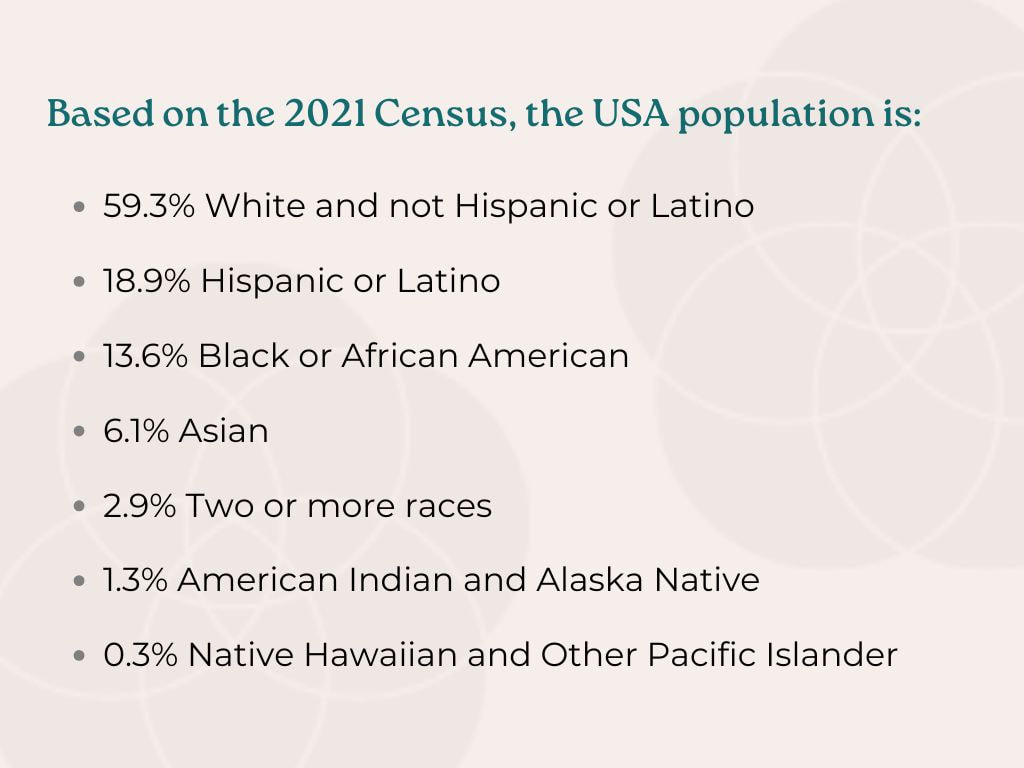
Source: https://usahello.org/life-in-usa/culture/diversity/
Building healthy relationships across cultural societies begins with a genuine understanding of different cultures, along with respect and care in everyday interactions. When people take time to learn about one another’s values, traditions, and lived experiences, misunderstandings are reduced, and connection becomes possible.
These practical approaches help communities move beyond division and strengthen relationships based on mutual respect and shared humanity.
1. Understand different religions rather than judging them
Religious beliefs are deeply connected to identity, culture, and meaning. Taking time to learn about different religions, rather than rejecting them, helps reduce misunderstanding and hostility. Respect does not require agreement; it requires willingness to listen and honor others’ beliefs with dignity.
2. Engage openly with people of different skin tones
Skin color should never determine how someone is treated or valued. Engaging with people of different skin tones through conversation, collaboration, and shared experiences helps break down bias and build mutual respect. Seeing one another as individuals, not categories, strengthens community relationships.
3. Treat people of all education levels with respect
Education levels vary across communities, but everyone deserves respect. Instead of judging or dismissing someone who may not understand certain topics, communities can choose patience and support. Teaching with kindness and curiosity creates learning without shame and fosters mutual growth.
4. Value both rural and urban communities equally
Rural and urban communities experience life differently and face different challenges. Both hold knowledge shaped by lived experience, work, culture, and environment. Respecting these differences without valuing one over the other helps reduce stereotypes, supports fairness, and allows communities to work together with mutual understanding.
5. Respect and support LGBTQ+ communities
Healthy cultural societies honor the dignity and humanity of LGBTQ+ individuals. Respecting different gender identities and sexual orientations helps create safer, more inclusive communities where everyone can belong without fear. Acceptance strengthens trust and relational safety for all.
Also Read Illuminating the Harsh Realities Within the LGBTQ+ Community
How can the Relational Life Foundation Help Bridge These Gaps?
| Building healthier relationships, whether between individuals, groups, or entire communities, requires more than good intentions. Lasting connection comes from understanding the root causes of relational tension and learning how to respond with responsibility and care. While we’ve explored how communities can come together across differences, it’s also important to consider what kind of support helps make this possible. | 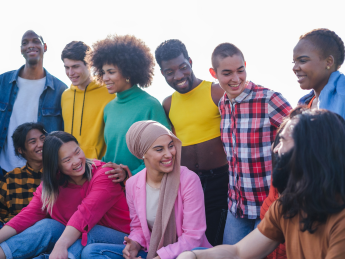 |
At Relational Life Foundation, we support individuals and communities through Relational Life Therapy, a model developed by Terry Real that focuses on emotional responsibility, accountability, and repair.
Let’s explore the RLT approaches to building healthy relationships between the different cultural societies:
1. Listen with attention and care: When people feel unheard or dismissed, misunderstanding and conflict often follow. Giving full attention, allowing others to speak without interruption, and responding thoughtfully helps reduce tension and build mutual respect.
2. Practice empathy: Differences in background and experience can create emotional distance. Taking time to understand another person’s story and how they may feel helps bridge that gap and supports connection, even when perspectives differ.
3. Communicate openly and honestly: Unclear or indirect communication often leads to confusion and conflict. Speaking clearly and respectfully helps people understand one another and prevents small issues from becoming larger problems.
4. Honor boundaries: Conflict can arise when personal or cultural boundaries are ignored. Recognizing and respecting limits helps create emotional safety and maintain trust in relationships.
5. Focus on common ground: When attention stays only on differences, division grows. Identifying shared values or goals helps bring people together and supports cooperation.
6. Build patience and tolerance: Building understanding across cultures takes time and effort. Responding with patience allows relationships to grow without pressure or frustration.
Here are examples that can help you address these situations with care and respect:
Building connections across cultural differences often begins with simple, respectful language. You might say, “Can you help me understand what this means to you?” or “I may not get this right, but I want to learn how to do it better.”
When conversations feel tense, choosing curiosity instead of certainty can shift the dynamic: “I want to listen, before carefully and kindly responding.”
Acknowledging impact is also important: “I didn’t intend harm, but I want to understand how that affected you.” Just because you didn’t intend harm, doesn’t mean that it didn’t negatively impact them. Be willing to acknowledge and apologize for the impact even if it was unintentional.
Naming shared humanity can soften division: “Even though we’re different, I believe we both care about respect and belonging.” Finding common ground and similarities can build connection and unity.
Connect with our community, built through Relational Life Therapy approaches, and access our sliding-scale sessions.